
Employee experience, culture, hybrid work, and employer branding. People teams have a lot on their plates. It’s completely understandable that office visits and meetings rarely make it onto HR’s radar. They’re seen as practical arrangements that are handled elsewhere. But this is exactly where it’s worth pausing for a moment. Visitors have a surprisingly broad impact on many of the areas HR is responsible for.
Visitors are a part of everyday work and office culture
HR shapes everyday work, culture, and employee experience—and a surprisingly large part of that is also influenced by visitors. Visits and customer meetings bring life into the office. They increase interactions, create a rhythm to the day, and reinforce the feeling that the office is more than just a workstation.
The effect works both ways. If visits are chaotic or burdensome, it shows immediately in employees’ daily work. Interruptions increase, time is spent on unnecessary coordination, and the overall mood suffers.
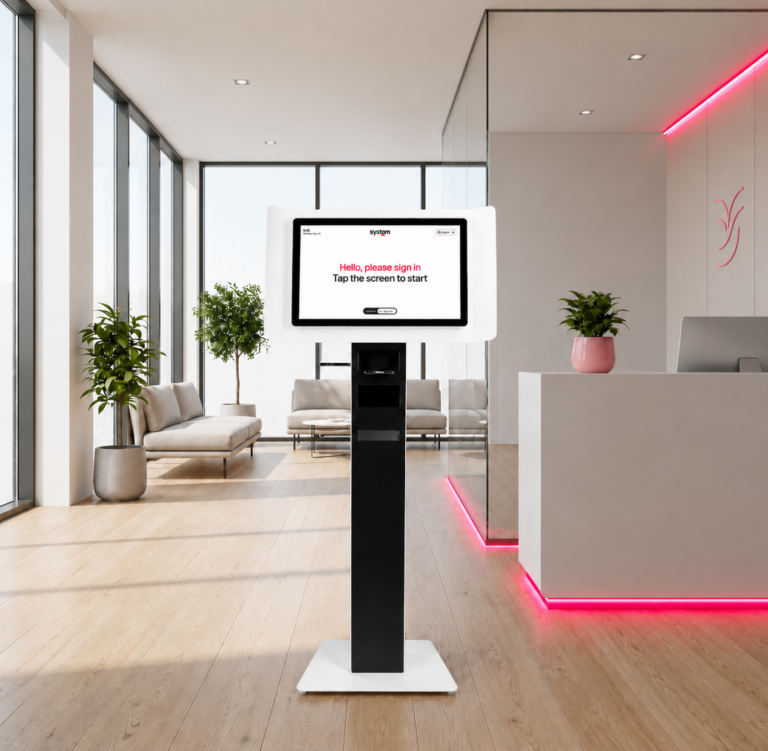
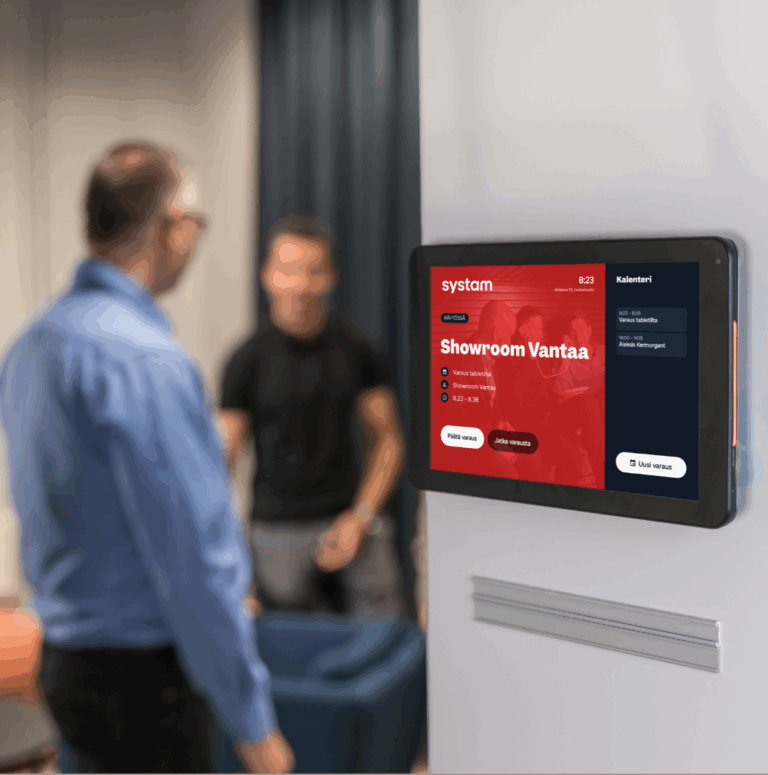
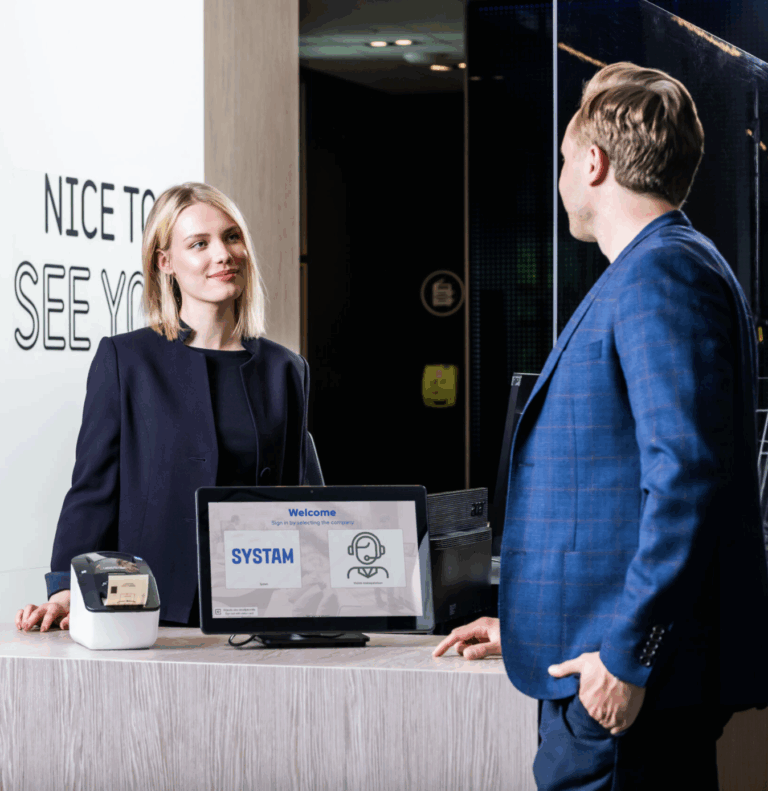
Visitor management makes the whole process smoother. When visits are well planned, employees don’t need to spend time giving instructions, opening doors, or resolving situations. Guests know where to go and when, sign-in is clear, and information flows automatically.

When the basics are handled, visits don’t create friction—they support the flow of the day. And that’s where visitor experience meets HR: in workflow, atmosphere, and how the workplace actually works.
Visits also impact safety
Well-managed visits are not just about efficiency—they’re also about safety. When it’s clear who is coming, when, and why, everything stays under control.
Requiring visitors to complete safety inductions before arrival, for example, reduces the risk of misunderstandings and incidents. Guests know how to act, don’t move around randomly, and understand what’s expected of them. Proper visitor badges also make it easy to distinguish visitors from employees.
All of this is reflected directly in employees’ daily experience. When the environment is controlled and predictable, work feels safer. And a sense of safety is one of the fundamental building blocks of a good employee experience.
“Employees have the right to a safe work environment, and the people moving within it can greatly influence that sense of safety. If you think about your own workplace, can you easily distinguish visitors from others? Do you know where they are allowed to move independently? Would you feel comfortable leaving your personal belongings at your desk or discussing work matters freely at the coffee machine? These are examples that don’t hold true in every workplace.”


When visitor data is handled in a controlled and appropriate way, data protection is also maintained. This isn’t just an IT or legal matter—it’s part of responsible operations across the entire organization. HR can also play a role in maintaining visitor data through guidelines and practices, especially when it comes to a safe working environment.
Visitor experience shapes company brand
HR invests a lot of time in shaping how the company is perceived externally. But few moments are as concrete as a visit. A job candidate forms an impression before the interview even begins, and a customer starts forming opinions before the first conversation. Partners quickly notice whether things are well managed or not.

If arrival is unclear, waiting times are long, or instructions are missing, the message is immediate—and rarely the one you want. A well-managed visit, on the other hand, builds trust without needing to explain it. It’s employer and company branding in practice.
Visitor data reveals what often goes unnoticed
Visitor data provides insights that few HR teams currently utilize. It shows when things actually happen in the office, when spaces are needed, and when interactions occur. This information is valuable when you want to make the office a place people genuinely want to come to.

When you know when visitor traffic is highest, you can anticipate the rhythm of the office. You can understand when there’s energy and when it’s quieter. This helps make coming to the office more meaningful—not mandatory, but purposeful.
Why should HR care about visitors?
Visitors are not at the core of HR’s responsibilities—but their impact lands directly within HR’s domain. They influence how the workday feels, how the company is perceived, and how the office functions in a hybrid work environment. That’s why they shouldn’t be treated as a side issue.
Visitor management is one of the easiest ways to influence employee experience, culture, and brand at the same time—without major changes. And that’s exactly why it’s a surprisingly important tool for HR.
Let our experts help
Improving visitor management doesn’t require heavy projects. Often, small and smart solutions are enough to make everyday work smoother—while supporting key HR goals at the same time.
At Systam, we help identify where visits are creating friction and how to improve them in practice. At the same time, we look at what kind of visitor data is worth using when you want to understand office rhythms, interactions, and what truly makes a workday work.